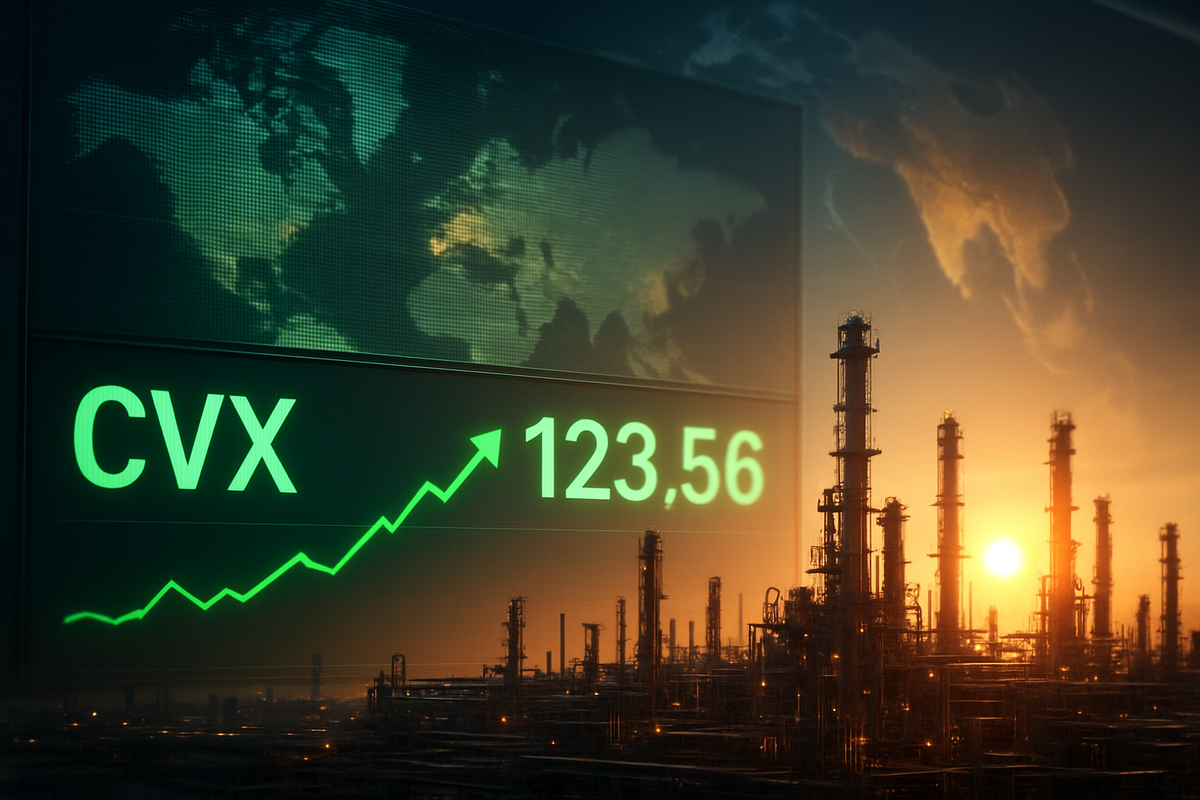
The global energy landscape underwent a seismic shift in the opening weeks of 2026, as Chevron (NYSE: CVX) emerged as the primary beneficiary of a dramatic geopolitical restructuring in South America. Following a series of events that culminated in the removal of the Maduro administration in Venezuela on January 5, 2026, energy markets have been set ablaze. Chevron shares surged 6.3% in a single trading session, leading a broader industry rally that saw the S&P 500 Energy Index post its strongest weekly performance in over two years.
This rally is not merely a reaction to a single event but the result of a "perfect storm" of geopolitical risk and strategic consolidation. As of January 15, 2026, the energy sector has added over $100 billion in market value, driven by the prospect of a "reopened" Venezuela—home to the world’s largest proven oil reserves—and an intensifying risk premium in the Middle East that has kept Brent crude prices buoyed between $63 and $66 per barrel.
The "Venezuela Shock" and the Chevron Advantage
The primary catalyst for the current market frenzy occurred on January 5, when a rapid transition of power in Caracas signaled the end of a decade-long standoff between the U.S. and the Venezuelan government. For Chevron, the news was a validation of its long-term strategy of "patient presence." As the only major U.S. oil company to have maintained a continuous operational footprint in the country through a series of limited OFAC licenses, Chevron is uniquely positioned to capitalize on the country’s reintegration into the global market.
By mid-January, reports from Washington indicated that the U.S. administration is preparing to grant Chevron an expanded operating license. This new mandate is expected to allow the company not only to increase its production but also to take a lead role in the remediation and management of assets owned by the state oil giant, PDVSA. This development follows the successful closing of Chevron’s $53 billion acquisition of Hess Corporation on July 18, 2025, which had already bolstered the company’s portfolio with high-growth assets in Guyana and the Bakken shale.
The timeline leading to this moment has been one of high-stakes maneuvering. Throughout late 2025, while many analysts were focused on the cooling of the "AI trade" in tech, energy insiders were watching the quiet buildup of Western influence in the Caribbean basin. The sudden collapse of the Maduro government, coupled with the resolution of the Exxon-Hess arbitration in early 2025, cleared the path for a new era of South American energy dominance.
Winners and Losers in the New Energy Order
While Chevron has captured the headlines, the ripple effects of the "Venezuela Pivot" are being felt across the sector. Valero Energy (NYSE: VLO) and other Gulf Coast refiners have seen their stocks climb as the prospect of a steady supply of heavy Venezuelan crude returns. These refineries were originally designed to process the dense, sulfurous oil typical of the Orinoco Belt, and the return of this feedstock is expected to significantly widen refining margins that had been squeezed by more expensive Canadian imports.
Oilfield service giants like Halliburton (NYSE: HAL) and Schlumberger (NYSE: SLB) are also emerging as clear winners. Venezuela’s energy infrastructure has suffered from years of underinvestment and decay; bringing production back to its former peak of 3 million barrels per day will require tens of billions of dollars in technical services, drilling rigs, and infrastructure reconstruction—contracts that these firms are already reportedly bidding on.
Conversely, some mid-tier producers who lack the scale to navigate complex geopolitical environments may find themselves at a disadvantage. Companies heavily reliant on high-cost Permian Basin production may see their relative value decline if a flood of low-cost Venezuelan crude eventually hits the global market, potentially capping long-term price ceilings despite the current rally.
A Broader Shift in Global Markets
The rally in energy stocks is also being supported by significant instability in the Middle East. Massive anti-government protests in Iran and a newly aggressive U.S. tariff policy—imposing a 25% levy on any nation trading with the Iranian regime—have injected a substantial "risk premium" into oil prices. This has offset any potential downward pressure from the "reopening" of Venezuelan supply, creating a high-volatility, high-reward environment for energy traders.
This event fits into a broader industry trend toward "Energy Realism." After years of focusing almost exclusively on the energy transition to renewables, the market in early 2026 is refocusing on the strategic importance of fossil fuel security. The U.S. government’s shift toward "pro-production" policies, including executive orders to accelerate permitting for both nuclear and fossil fuel projects, has provided a supportive regulatory tailwind that hasn't been seen in nearly a decade.
Historical comparisons are already being drawn to the post-Gulf War era of the 1990s, where the stabilization of a major producing region led to a period of industrial renewal. However, the current shift is more complex, as it involves the integration of massive South American reserves into a market that is simultaneously trying to navigate a long-term carbon transition.
The Road Ahead: What to Watch
In the short term, all eyes are on Chevron’s upcoming Q4 2025 earnings report, scheduled for January 30, 2026. Investors will be looking for specific guidance on how quickly the company can ramp up production in Venezuela and how the integration of Hess assets is contributing to free cash flow. Analysts currently estimate earnings per share (EPS) to land between $1.46 and $1.54, but those numbers may be revised upward if the "Venezuela premium" continues to hold.
Longer-term, the challenge for Chevron and its peers will be the sheer scale of the required investment. Rebuilding a nation's energy sector is a multi-year, multi-billion-dollar endeavor fraught with political risk. Market participants should also watch for potential strategic pivots as ExxonMobil (NYSE: XOM), which has a massive stake in neighboring Guyana, reacts to the changing dynamics in Caracas.
Closing Thoughts for Investors
The January 2026 energy rally marks a definitive turning point in the post-pandemic market era. The combination of successful corporate consolidation, such as the Chevron-Hess merger, and sudden geopolitical shifts has transformed the energy sector from a defensive play into a primary growth engine for the broader market.
As we move forward, the "reopening" of the South American oil corridor will likely be the most significant story in the commodities market for the remainder of the year. Investors should remain vigilant regarding the volatile situation in the Middle East and the pace of Venezuelan infrastructure recovery. While the immediate gains have been spectacular, the true value will be determined by how these energy giants manage the transition from geopolitical shock to sustainable production growth in the months ahead.
This content is intended for informational purposes only and is not financial advice.