H Beam and I Beam
H Beam:
H-shaped steel is an economical, high-efficiency profile with optimized cross-sectional area distribution and a more reasonable strength-to-weight ratio. It gets its name from its cross-section resembling the letter "H." Because its components are arranged at right angles, H-shaped steel offers advantages such as strong bending resistance in all directions, simple construction, cost savings, and lightweight structures, making it widely used.
I Beam:
I-shaped steel is manufactured by hot rolling in I-shaped molds. With a similar I-shaped cross-section, this steel is widely used in architecture and industrial design. Although its shape is similar to H-beams, it's important to distinguish between the two types of steel due to their distinct properties and uses.
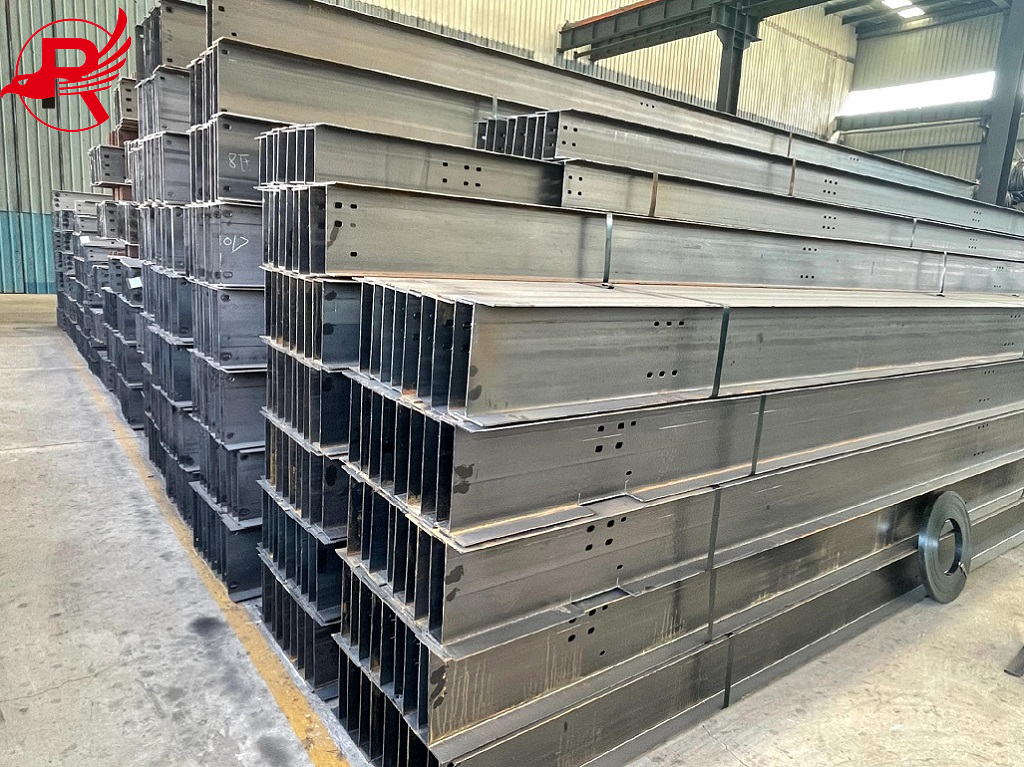 What is the difference between H-beam and I-beam
The primary difference between H-beams and I-beams lies in their cross-sections. While both structures contain horizontal and vertical elements, H-beams have longer flanges and a thicker center web than I-beams. The web is the vertical element responsible for resisting shear forces, while the top and bottom flanges resist bending.
As the name suggests, the H-beam's structure resembles the letter H, while the I-beam's shape resembles the letter I. The flanges of an I-beam curve inward to create its distinctive shape, while the flanges of an H-beam do not.
Main Applications of H-beam and I-beam
Main Applications of H-beam:
Civil and industrial building structures; Industrial plants and modern high-rise buildings; Large bridges; Heavy equipment; Highways; Ship frames; Mine support; Ground treatment and dam engineering; Various machine components.
Main Applications of I-beam:
Residential foundations; High-rise structures; Bridge spans; Engineering structures; Crane hooks; Container frames and racks; Shipbuilding; Transmission towers; Industrial boilers; Plant construction.
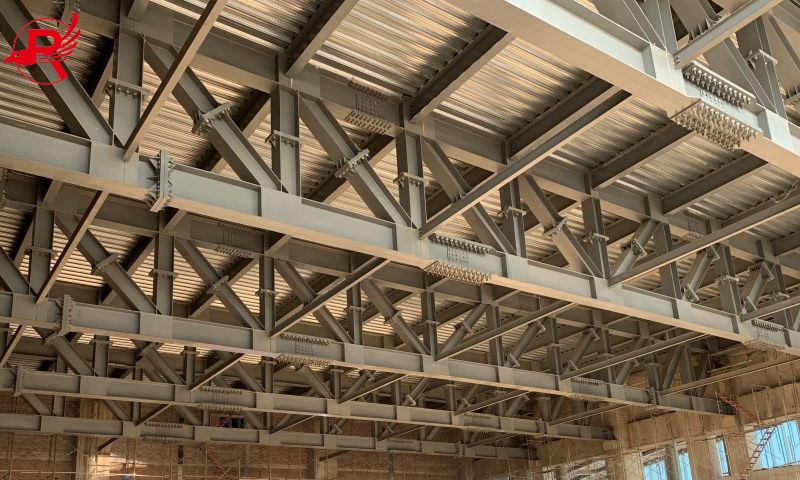 Which is better,H Beam or I Beam
Core performance comparison:
| Performance Dimension | I beam | H beam |
| Bending resistance | Weaker | Stronger |
| Stability | Poor | Better |
| Shear resistance | common | Stronger |
| Material utilization | Lower | Higher |
Other key factors:
Connection Ease: H beam flanges are parallel, eliminating the need for slope adjustments during bolting or welding, resulting in more efficient construction. I beam flanges have sloped flanges, requiring additional processing (such as cutting or adding shims) during connection, which is more complex.
Specification Range: H-beams offer a wider range of specifications (larger sizes can be customized), meeting the needs of ultra-large projects. I-beams are relatively limited in specifications, with fewer large sizes available.
Cost: Smaller I-beams may be slightly less expensive; however, in high-load scenarios, H-beams offer a better overall cost (e.g., material usage and construction efficiency) due to their higher material utilization.
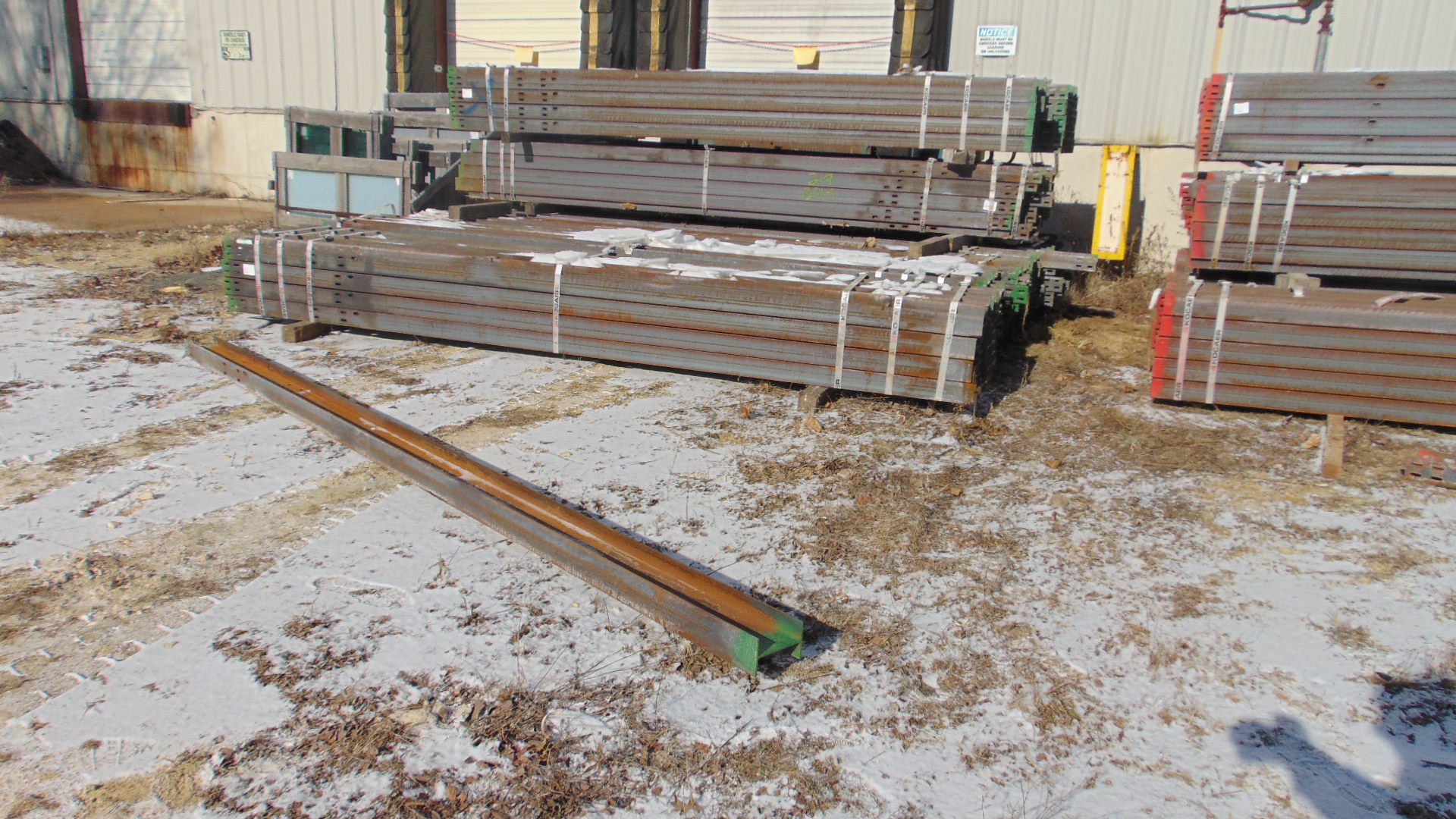 Summary
1.For light loads and simple structures (such as lightweight supports and secondary beams), I beams are more economical and practical. 2.For heavy loads and structures requiring high stability (such as bridges and high-rise buildings), H beams offer more significant mechanical properties and construction advantages.
Media Contact
Company Name: ROYAL GROUP.
Email: Send Email
Phone: +86 15320016383
Country: China
Website: https://www.chinaroyalsteel.com/