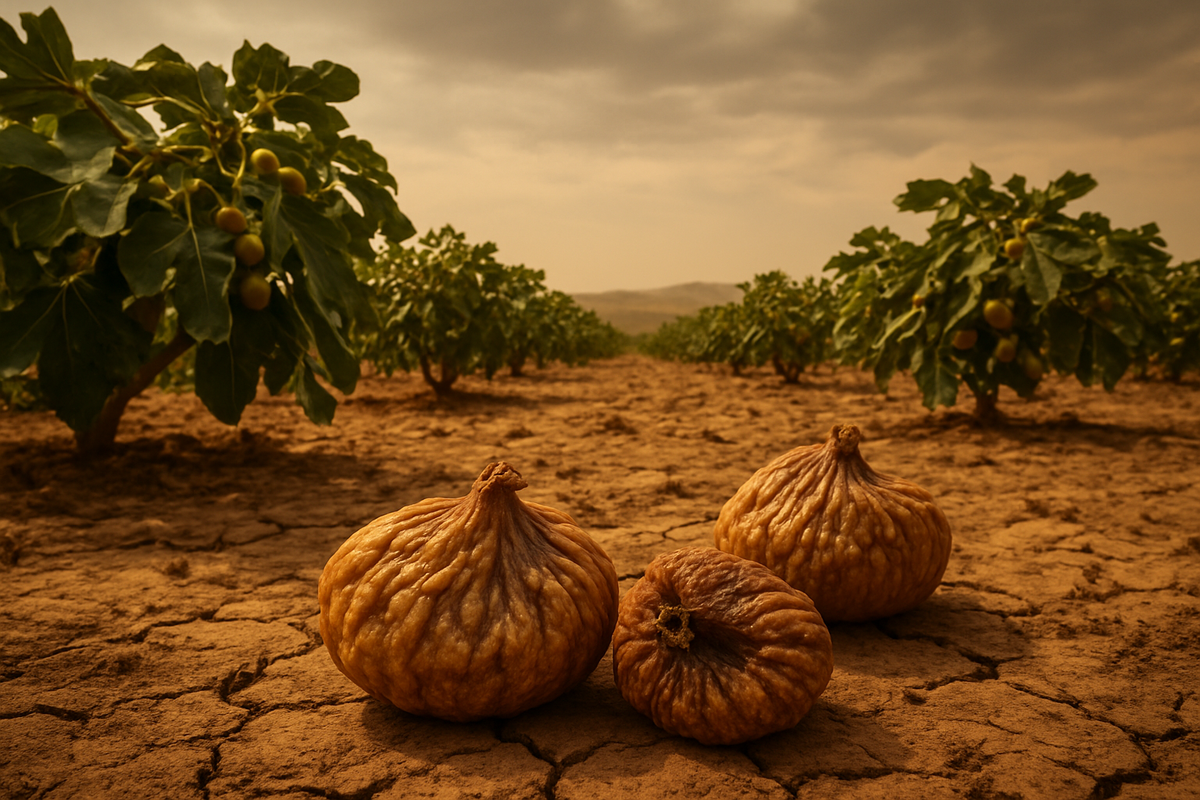
AYDIN, TURKEY – December 16, 2025 – The heart of Turkey's dried fig industry, a cornerstone of its agricultural economy and a dominant force in global markets, is currently grappling with a severe downturn. Growers and exporters are expressing profound discontent over recent price developments and significant challenges stemming from adverse climatic conditions and stringent international quality controls. This confluence of factors has led to a turbulent 2024/2025 season, threatening the livelihoods of thousands and casting a shadow over Turkey's reputation as the world's leading dried fig supplier.
The immediate implications are stark: a freeze in market liquidity, heightened caution among exporters, and a significant increase in rejected shipments at international borders. While Turkey traditionally accounts for over 50% of global dried fig exports, the current season's woes are forcing a re-evaluation of long-standing practices and demanding urgent, collaborative solutions to prevent further economic damage and secure the future of this vital agricultural sector.
A Season Plagued by Mycotoxins and Climate Extremes
The 2024/2025 dried fig season has been particularly challenging, marked by a significant increase in quality control issues. The most prominent concern has been the elevated levels of aflatoxin and ochratoxin found in Turkish dried fig shipments, especially those destined for the European Union (EU). This led to a substantial rise in rejections, with the rejection rate climbing from 0.7% in the prior year to approximately 1.5% for aflatoxin, and an additional 1% for potential ochratoxin-A formation. This translates to an estimated 1,500 metric tons of rejected figs, a stark increase from the annual average of 500-600 metric tons, inflicting considerable financial losses on exporters and tarnishing Turkey's export image.
Unfavorable climatic conditions are largely identified as the primary culprit behind the decline in fig quality and yield. Severe drought and frost significantly impacted the 2024/2025 crop, reducing overall production to 60,000 metric tons, well below the five-year average of 74,500 metric tons. High humidity and heatwaves in key fig-growing regions, such as Aydın, further exacerbated mold formation and increased mycotoxin risks. These conditions also caused some figs to burst during the drying process, further limiting the supply of export-quality fruit. Consequently, total dried fig exports for the season lagged behind the previous year, and Turkey's traditional share of dried fig exports to the EU dropped from approximately half to just one-third.
The timeline leading to this crisis began even before the 2024/2025 season, with climate change already recognized as a factor in declining production over the preceding three years. As the 2024/2025 season commenced in late 2024, reports of increased EU rejections surfaced immediately. By early to mid-2025, stringent controls by the EU, UK, Switzerland, and EFTA countries intensified. By summer 2025, the industry, particularly the Aegean Dried Fruits and Products Exporters' Association, led by Chairman Mehmet Ali Işık, openly discussed the "financial and moral losses" incurred. As the 2024/2025 season concluded in September 2025, low exporter demand led to falling commodity prices, causing anxiety among growers. The new 2025/2026 export season, commencing October 15, 2025, saw low trading activity, with many exporters holding back purchases due to past rejections. By December 2025, the current period, raw material prices had surged to 1,500 TL/KG due to constrained supply, but export momentum slowed towards year-end holidays, leaving growers frustrated by the lack of government intervention from bodies like the Turkish Grain Board (TMO).
Key players in this unfolding drama include the approximately 40,000 families dependent on fig cultivation, who are bearing the brunt of reduced demand and volatile prices. Exporters and processors, such as Natura AS, BURKAZ, and güzelcan foods (all private companies), face direct financial and reputational damage. The Aegean Dried Fruits and Products Exporters' Association has been a crucial advocate, implementing quality initiatives like the "Sustainable Management of Aflatoxin Dried Figs Project." Turkish government bodies, including the Ministry of Trade and the Ministry of Agriculture and Forestry, are involved in addressing quality and export issues. International importers, particularly from the EU and increasingly the USA, are also key stakeholders whose stringent demands directly impact Turkish exports. Initial reactions from the Turkish industry expressed surprise and confusion over increased EU rejections, prompting calls for joint action and a "farm to table" approach to quality control.
Companies Navigating the Storm: Winners and Losers
The current turmoil in the Turkish dried fig market is creating a distinct landscape of winners and losers across the global supply chain, impacting both public and private entities.
Turkish Dried Fig Exporters and Processors are unequivocally in the losing column. Companies heavily invested in Turkish fig exports face a double whammy: reduced production volumes due to climate change and substantial financial losses from rejected shipments. The increased costs of raw materials, labor (with a 49% salary increase in early 2024), energy (up 75%), and packaging (over 100%), coupled with a relatively stable Turkish Lira, are severely eroding profit margins. Repeated rejections can also lead to export bans, critically limiting their market access and long-term viability. Many of these are private companies, but their struggles impact the broader Turkish economy.
Global Importers and Food Manufacturers heavily reliant on Turkish dried figs also stand to lose. Importers in major markets like the United States, Germany, France, and India face higher procurement costs, supply chain disruptions, and the persistent risk of quality-related rejections. This necessitates a costly search for alternative, potentially less desirable, or more expensive sources. Food manufacturers that use dried figs as a primary ingredient in products like breakfast cereals, granola bars, and baked goods will experience increased input costs, potentially leading to reduced profitability, the need to raise consumer prices, or costly product reformulation.
Conversely, Other Dried Fig Producing Countries and Exporters are poised to gain. Producers in California, USA, (e.g., Valley Fig Growers, San Joaquin Figs (Nutra Fig), and Sun-Maid Growers of California [private companies]) are well-positioned. Known for their emphasis on high quality, sustainability, and food safety, they can offer a premium alternative. Increased global demand for reliable, high-quality dried figs could lead to greater export opportunities and higher prices for California-grown figs, particularly in markets like Canada, Japan, and Southeast Asia. Similarly, countries such as Iran, Afghanistan, Spain, and Greece, which are also significant fig producers, could see increased demand and potentially higher prices for their produce as buyers diversify their sourcing away from Turkey.
Furthermore, Agricultural Technology and Consulting Firms stand to benefit. The growing challenges of climate change and mycotoxin contamination create a strong demand for solutions. Companies offering expertise in sustainable agricultural practices, advanced irrigation systems, climate-resilient crop varieties, pest and mold control, and improved drying and storage technologies could find new clients among fig growers and processors seeking to mitigate future risks. Lastly, Biogas Plants and Renewable Energy Companies are finding a unique opportunity through Turkey's "Sustainable Management of Aflatoxin Dried Figs Project," which converts contaminated figs into biogas. This initiative provides a sustainable disposal method and a new revenue stream, turning waste into value.
Wider Significance: A Microcosm of Global Agricultural Challenges
The current woes in the Turkish dried fig market are not isolated incidents but rather a microcosm of broader industry trends and systemic challenges facing global agriculture. This event highlights the increasing vulnerability of food systems to climate change, the growing importance of stringent food safety standards, and the economic pressures on producers in an interconnected global market.
The most significant broader trend is the intensifying impact of climate change. The extreme heat, increased humidity, and drought conditions experienced in Turkey, which have directly led to reduced yields and increased mold contamination, mirror a global phenomenon. Climate variability is increasingly threatening crop production and food security worldwide, forcing agricultural sectors to adapt or face severe consequences. This situation also underscores the heightened global scrutiny on food safety and quality. International markets, particularly the EU, have tightened regulations and increased inspection frequencies for contaminants like aflatoxins and ochratoxin A. This reflects a worldwide consumer demand for safer, traceable, and higher-quality food products, pushing all agricultural exporters to elevate their standards.
The ripple effects extend to competitors and partners. While Turkish exporters struggle, other fig-producing nations like Spain, Greece, Iran, and the USA (California) are poised to gain market share as importers seek to diversify their supply chains and secure consistent, high-quality produce. Importers and food manufacturers who have heavily relied on Turkish figs face significant supply chain disruptions, higher procurement costs, and the need for enhanced due diligence. This could also lead to increased demand for alternative dried fruits if fig prices become prohibitive or quality remains uncertain.
From a regulatory and policy perspective, the situation has already prompted stricter EU import regulations, including increased identity and physical checks on Turkish dried figs. This pressure is driving the Turkish government and industry associations to collaborate on improving quality control, promoting good agricultural practices, and investing in advanced storage solutions. There are also ongoing concerns about the potential diversion of rejected contaminated figs to the domestic market, highlighting the need for robust internal regulatory oversight. Historically, these challenges resonate with past agricultural crises, such as recurring quality and residue issues in Turkish figs dating back to at least 2015, climate-induced agricultural disasters like the 2012 US drought, and broader commodity market instabilities reminiscent of the 1980s farm crisis or the 2007-2008 global food crisis. These comparisons underscore the systemic nature of the challenges and the need for comprehensive, long-term solutions.
What Comes Next: Navigating Towards a Sweet Future
The future of the Turkish dried fig market, while currently challenged, presents both significant hurdles and opportunities for transformation. In the short term (2025-2026), global demand for natural, minimally processed foods, including dried figs, is expected to remain strong, with a projected growth of 8-10% in 2025. Emerging markets like South Korea, UAE, and Canada offer new export avenues. However, climate change impacts, quality rejections, and domestic liquidity issues will continue to pose significant challenges, keeping raw material prices volatile and grower discontent high. For the 2025/2026 season, Turkey anticipates a production increase to 70,000 metric tons, a recovery from the previous year but still below historical averages.
Looking at the long term (beyond 2 years), the global dried fig market is projected to reach USD 1.86 billion by 2030, growing at a CAGR of 5.10%. This growth will be fueled by sustained health consciousness, the rise of vegan diets, and product diversification. Opportunities exist in developing value-added fig products (jams, pastes, snacks) and introducing new, resilient fig varieties like "Siyah Orak," which boasts higher antioxidants and aflatoxin resistance, potentially boosting national output to 100,000 tons within a decade. Advanced storage technologies like FreshSens can also extend the shelf life of fresh figs, opening new export markets. However, intensifying climate change effects, competition from other producers, labor shortages, and soil degradation remain persistent long-term threats.
To thrive, the Turkish dried fig industry requires several strategic pivots. Enhanced Quality and Food Safety Protocols are paramount, including stricter aflatoxin prevention, digital traceability, and sustainability certifications. Climate Change Adaptation is critical, necessitating advanced irrigation techniques, water-efficient cultivation, and investment in resilient fig cultivars. Market Diversification and Product Innovation beyond traditional dried figs, including fresh fig exports and new value-added products, will unlock new revenue streams. Finally, Strengthening the Value Chain and Farmer Support through fairer payment terms, mechanization, training, and better coordination among all stakeholders is essential to ensure the industry's long-term health and stability.
Potential scenarios range from an optimistic outcome where Turkey consolidates its leadership through successful adaptation and innovation, achieving higher production and premium prices for its diverse fig products, to a pessimistic scenario where a failure to adapt leads to consistent quality issues, loss of market share, and a struggling agricultural sector. A challenged but resilient scenario is perhaps most likely, where partial adaptations lead to moderate growth, with some regions and exporters thriving while others face ongoing struggles.
Wrap-Up: A Call for Collective Resilience
The current challenges in the Turkish dried fig market serve as a critical wake-up call for an industry that is both globally significant and deeply rooted in local communities. The key takeaways from this turbulent period are clear: the undeniable impact of climate change on agricultural yields and quality, the non-negotiable demand for stringent food safety standards by international markets, and the urgent need for a more coordinated and financially stable value chain for producers.
Moving forward, the market's trajectory will be defined by its ability to embrace resilience. The proactive steps being taken towards premiumization, digital traceability, and sustainable practices, such as the "Sustainable Management of Aflatoxin Dried Figs Project," are positive indicators. However, these efforts must be amplified and universally adopted across the sector. The assessment points to a future where Turkish figs will likely remain a strong presence in global markets, but only if the industry can consistently deliver on quality, adapt to environmental shifts, and ensure fair returns for its growers.
The lasting impact of this period will likely be a more disciplined and innovative industry, forced by necessity to fortify its defenses against environmental and quality challenges. This transformation, while painful in the short term, has the potential to secure Turkey's position as a high-quality, sustainable dried fig producer for decades to come.
What Investors Should Watch For in Coming Months: Investors should closely monitor several key indicators. Weather patterns in Turkish fig-growing regions will be crucial for the 2026 harvest. Evidence of effective aflatoxin and ochratoxin control, reflected in reduced EU rejection rates, will signal improved quality. Observe the concrete actions and effectiveness of government and industry support initiatives, particularly regarding financial aid and improved infrastructure. Track export performance (both volume and value) for the 2025/2026 season to gauge actual market demand. Pay attention to price stability for both raw and processed figs, as well as demand trends in key international markets for organic and sustainably sourced products. Finally, keep an eye on the competitive landscape, particularly production from other fig-producing nations like Iran, to assess any shifts in global market share or pricing pressure.
This content is intended for informational purposes only and is not financial advice